
 Family
3N/4D
Sikkim
Sikkim is small. But it has a lot of things to discover and explore that even bigger states do not have. The Eastern Himalayas fra...
Get a Free QuoteAbout Sikkim
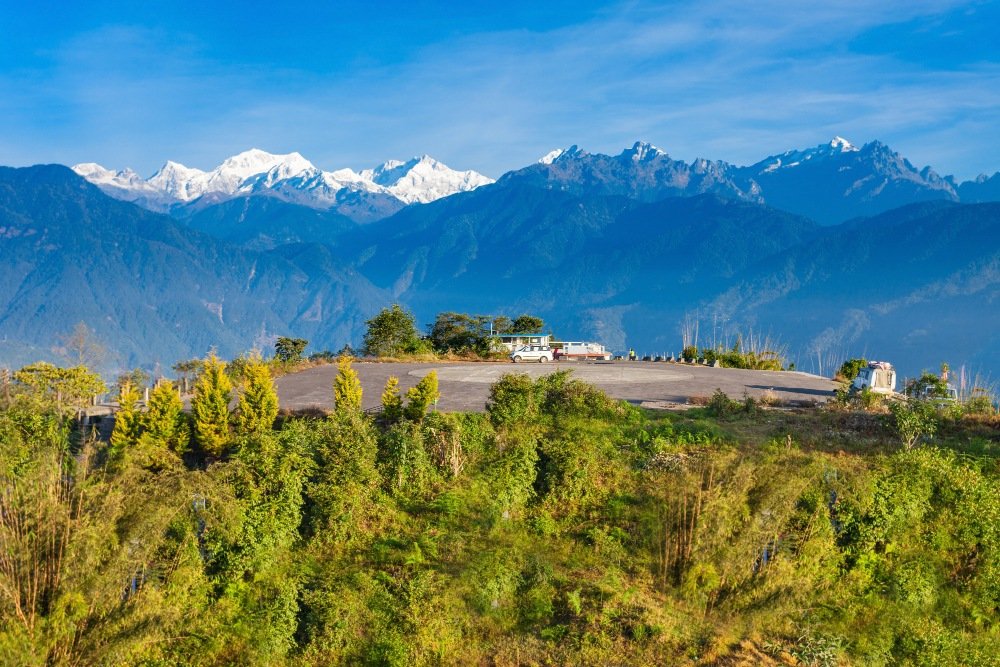
Sikkim is small. But it has a lot of things to discover and explore that even bigger states do not have. The Eastern Himalayas frame every view here. Kanchenjunga, the world’s third-highest mountain at 8,586 metres, sits on the Sikkim-Nepal border. It is visible from much of the state on a clear morning. For the Lepcha and Bhutia communities, it is not just a mountain. It is the guardian deity of Sikkim.
This second smallest state in India is home to Lepchas, Bhutias, and Nepali-speaking communities whose traditions, food, and festivals give the state a cultural layering. Gangtok is the capital and the starting point of most travellers’ exploration of Sikkim. North Sikkim holds the high-altitude valleys and lakes that draw the most serious travellers. West Sikkim has the Kanchenjunga views and ancient monasteries. South and East Sikkim carry the quieter towns and the border destinations near Tibet.
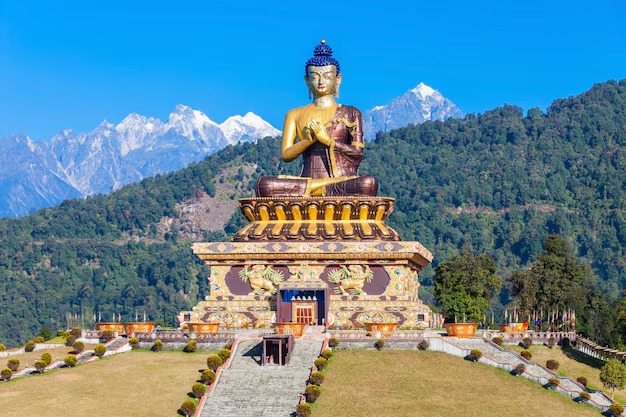
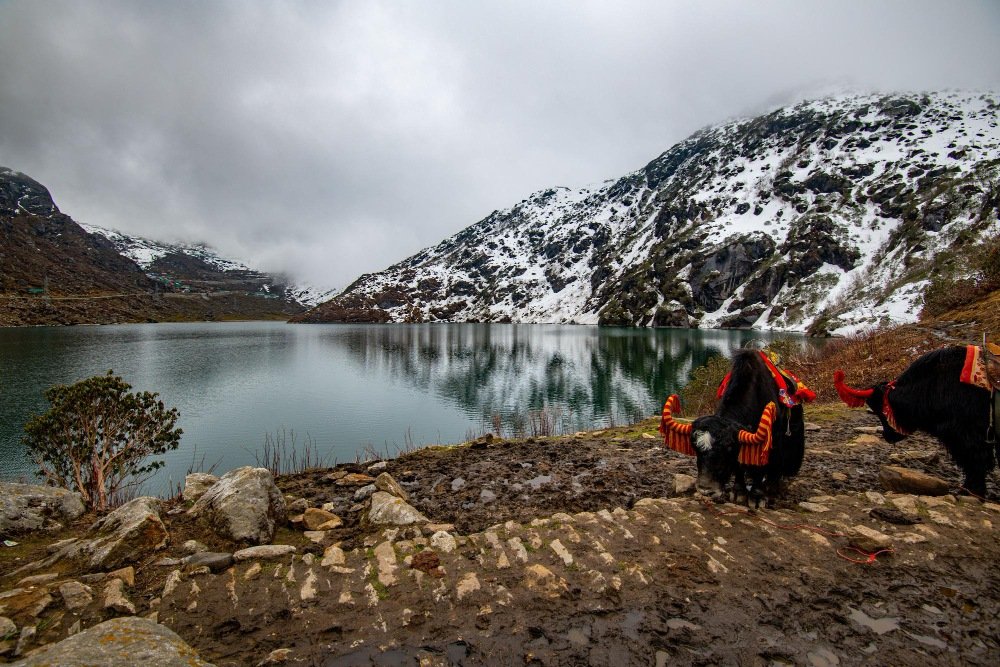
Known for its eco-friendly tourism, warm hospitality, and rich traditions, Sikkim is also famous for its festivals, Buddhist culture, and organic farming. From the bustling charm of Gangtok to the untouched beauty of North Sikkim, the state is truly a heaven for nature lovers and spiritual seekers.Travelers can experience the peaceful monasteries of Rumtek and Pemayangtse, the colorful blooms of the Rhododendron Sanctuary, and the crystal-clear waters of Tsomgo Lake and Gurudongmar Lake
Sikkim tour packages
Family
3N/4D 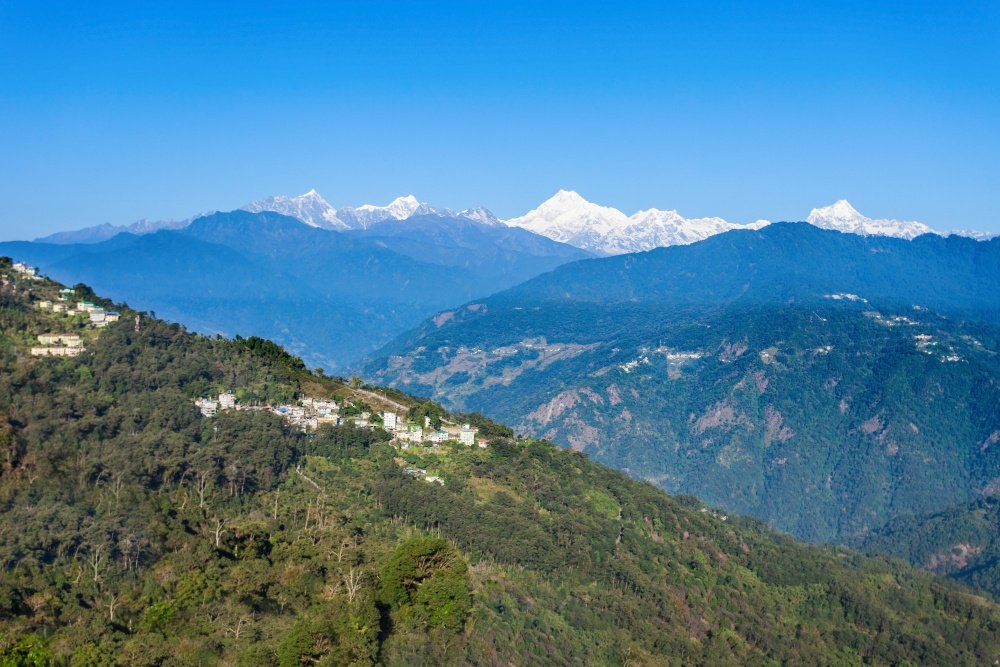 Family
4N/5D
 Honeymoon
4N/5D
North East - Sikkim & Darjeeling Delight
Stay
Meals
Sightseeing
Rs 17,999Rs 19,999
Save Rs 2,000
Custom Sikkim itinerary
Tell us your dates, budget and interests and we will build a plan around you.
Best time to visit Sikkim
Spring
March to MayDuring this time, the atmosphere becomes more beautiful. From late February, rhododendrons bloom across the hills. By April, Yumthang Valley turns vivid with colour. Roads to North Sikkim reopen after winter. Clear skies make Kanchenjunga visible early in the mornings. This is peak season.
Monsoon
June to AugustHeavy rain arrives during this time, which leads to landslides that block roads to North Sikkim with little warning. Most travellers avoid visiting Sikkim during this window due to the inaccessibility of certain places in Sikkim. But places like Gangtok and Pelling stay accessible, though travellers may not see the views of the mountains clearly.
Autumn
September to NovemberThe monsoon clears and the skies open. Kanchenjunga views from Gangtok and Pelling are at their sharpest in October. Fewer tourists than in spring, roads fully open and lower prices. One of the most rewarding times to visit.
Winter
December to FebruaryNorth Sikkim transforms into white. Places like Yumthang and Zero Point wear a layer of snow. Travellers who like winter landscapes can visit these places during this time. Gurudongmar Lake freezes partially. Gangtok and Pelling stay reachable. Also, these places get quieter.
How to reach Sikkim
By air
Sikkim has one airport, Pakyong Airport (PYG), about 30 km from Gangtok. It handles limited flights from Kolkata. Weather cancellations are frequent due to the terrain. Most travellers use Bagdogra Airport (IXB) near Siliguri in West Bengal, about 124 km from Gangtok. It has daily connections from Delhi, Mumbai, Kolkata, and Bengaluru. A helicopter service between Bagdogra and Gangtok takes about 20 minutes, subject to weather.
By rail
Sikkim has no broad-gauge railway. New Jalpaiguri (NJP) in West Bengal works as the main railhead for Sikkim. It is roughly 125 km from Gangtok. This railway station is connected with Delhi, Kolkata, Guwahati, and other cities. From NJP, travellers can choose shared taxis and SNT buses. Usually, the drive takes around 4 to 5 hours to reach Gangtok.
By road
Sikkim is connected with other regions of the country through NH 10. This National Highway enters Sikkim from West Bengal via Siliguri. It crosses into the state at Rangpo. The drive from Siliguri takes 4 to 5 hours. Shared jeeps, SNT buses, and private taxis run this route daily. Within Sikkim, shared jeeps are the common way to reach one town to another.
Local food to try in Sikkim
Momos
Steamed dumplings with pork, chicken, or vegetables inside thin wheat wrappers. Served with a red chilli sauce or clear broth. The wrappers here are made fresh and thinner than the versions you get at city momo stalls elsewhere. Find them at small local eateries rather than tourist-facing restaurants in Gangtok.
Thukpa
It is a Tibetan-style noodle soup made with wheat noodles in a clear broth. Usually, vegetables and chicken or pork are added to it. The noodles are hand-pulled, and the broth is cooked low and slow. After a long day at altitude in North Sikkim, a hot bowl of Thukpa is the thing you want most. It is everywhere: roadside stalls, dhabas, homestays.
Phagshapa
A Bhutia pork dish. Strips of pork fat cooked with dried red chillies and sliced radish, no oil added. The fat renders during slow cooking and the chilli soaks through. Eaten with steamed rice. Rich and deeply savoury. Not on many tourist menus but worth asking for at homestays or local restaurants.
Gundruk
Fermented mustard leaves or radish tops, packed into an earthen pot and left to ferment until they turn sour and pungent. Eaten as a pickle, a side dish, or made into a thin soup. This preservation technique has roots in the history of these hills.
Sel Roti
Sel Roti is a ring-shaped fried bread. Rice flour, sugar, and ghee are the main ingredients. It is crispy on the outside, slightly soft inside and mildly sweet. Eaten with yogurt or potato curry.
Tongba
A traditional drink made from fermented millet. Packed into a tall wooden or bamboo vessel, hot water is poured over it and sipped through a bamboo straw. As you drink, you refill with hot water. Warm, lightly alcoholic, earthy. Try it at a local bar in Gangtok’s lower market or with a homestay family in North Sikkim.
Travel tips for Sikkim
- Arrange North Sikkim permits through a registered tour operator in Gangtok, not online and not at checkpoints.
- Give yourself at least one full day in Gangtok before heading north to sort this out.
- Nathula Pass opens only on Wednesdays, Thursdays, Saturdays, and Sundays. Even on open days, weather can close it. Check the evening before.
- Always check road status the night before departing.
- Within Sikkim, most people travel on shared jeeps. These leave when full, and the timing is loose. Book in advance.
- Cash is the only currency in North Sikkim. ATMs exist in Gangtok and Pelling but disappear after that. Carry more than you think you need before heading to Lachung or Lachen.
- Do not use single-use plastic. Carry a refillable water bottle. Gangtok has public water refill points along MG Marg.
- Remove shoes before entering any monastery. Ask permission before photographing the interior. Dress modestly inside religious spaces.
- You should have a warm jacket, thermal layers, and a rain shell in your backpack in whatever season you are visiting.
Sikkim travel FAQs
Q1. What is Sikkim known for?
Sikkim is known for many spots and attractions such as Kanchenjunga views, the Valley of Flowers at Yumthang, Tsomgo Lake, Nathula Pass, Gurudongmar Lake, ancient monasteries like Rumtek and Pemayangtse, Buddhist and Lepcha culture, organic farming, and some of the quietest and cleanest mountain landscapes in northeast India.
Q2. When is the best time to visit Sikkim?
Clear weather and rhododendron season make March to May an ideal time period to visit Sikkim. For the best mountain views and fewer crowds, visit Sikkim from October to November. January and February for snow at Zero Point and Yumthang. Avoid June to August if North Sikkim is on your list.
Q3. What is the nearest airport to Sikkim?
Pakyong Airport (PYG), inside Sikkim, about 30 km from Gangtok, handles limited flights from Kolkata. Weather cancellations are common. Bagdogra Airport (IXB) near Siliguri, 124 km from Gangtok, is the more reliable option with daily flights from Delhi, Mumbai, Kolkata, and other cities.
Q4. How many days do you need for Sikkim?
3-4 days are enough to explore Gangtok, Tsomgo Lake, and Nathula Pass. While having 2-3 days further allows you to visit Pelling and West Sikkim. But if you have 8-10 days, you can cover almost all major attractions and spots of Sikkim, including North Sikkim.
Q5. Is Sikkim good for families with children?
Yes. Sikkim has something for every tourist, whether children, adults or elders. Gangtok has a cable car, the Himalayan Zoological Park, Banjhakri Falls, and the MG Marg area for easy walking. Tsomgo Lake’s yak rides are a hit with children. Altitude is the main thing to watch: Gangtok and Tsomgo are fine, but do not take very young children to Gurudongmar.
Q6. Is Sikkim an expensive destination?
Not at all. It is moderate. Accommodation in Gangtok ranges from budget guesthouses to good mid-range hotels. Food in local eateries is cheap. The main cost is transport, as shared taxis and private cabs are the only way around.
Q7. Can I visit Sikkim from Darjeeling?
Yes. Darjeeling is about 100 km from Gangtok by road, taking around 3 to 4 hours. Many travellers combine the two on a single trip. The route passes through Siliguri. Shared jeeps and private taxis make this journey daily.
More Destinations to Explore
Keep planning your India trip
 2 packages
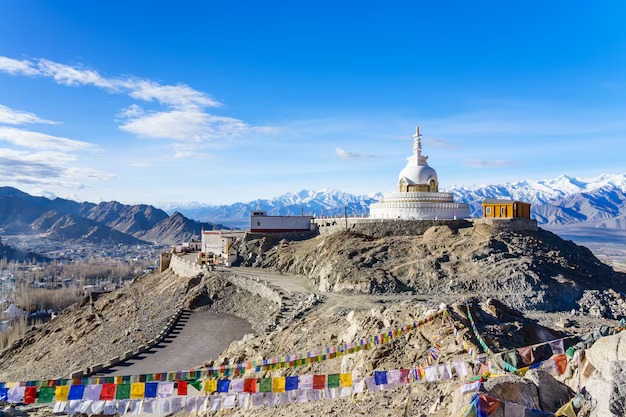
Ladakh
Ladakh is not a place that eases you in gently. The moment your flight descends into Leh,...
From Rs 10
Explore
 2 packages
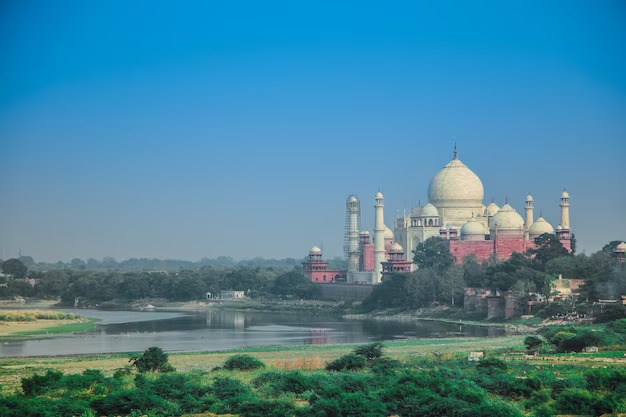
Uttar Pradesh
Apart from being the 4th-largest state in India, Uttar Pradesh is home to many tourist des...
From Rs 5,499
Explore
 7 packages
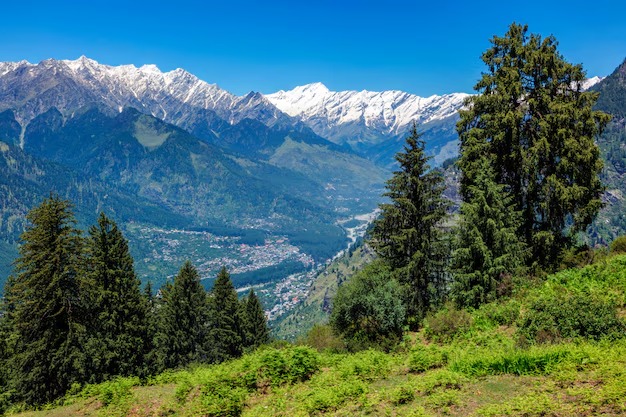
Himachal Pradesh
Himachal Pradesh is often described as being in the “Lap of the Himalayas”, and the name f...
From Rs 5,999
Explore
 6 packages
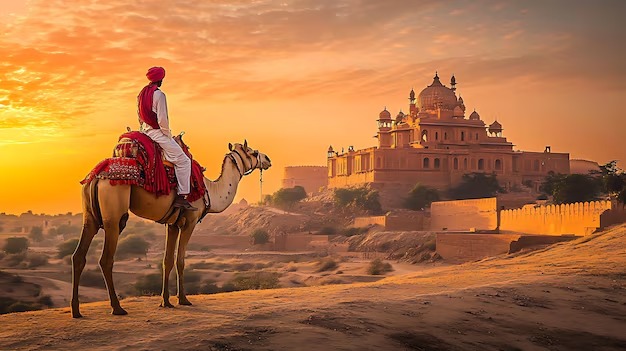
Rajasthan
In terms of size, Rajasthan is the largest state in India. It covers the northwestern part...
From Rs 7,999
Explore
Get a Free Quote
Thank you! Your enquiry is received.
Our travel expert will contact you shortly.