
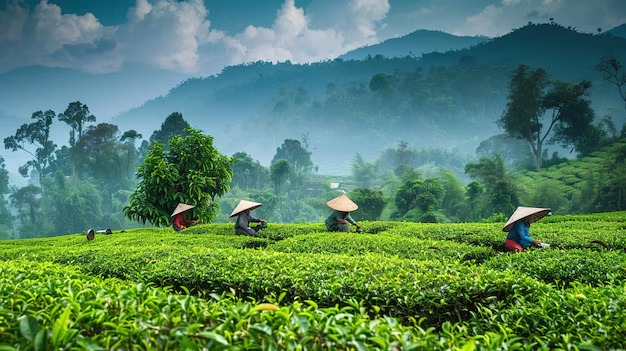
Assam
Assam is in the northeast of India, tucked between Arunachal Pradesh to the north, Nagaland and Manipur to the east, Meghalaya and...
Get a Free QuoteAbout Assam
Assam is in the northeast of India, tucked between Arunachal Pradesh to the north, Nagaland and Manipur to the east, Meghalaya and Mizoram to the south, and West Bengal to the west. It covers 78,438 square kilometres, making it the second-largest state in northeast India by area and the largest by population.
The Brahmaputra, which is one of the largest rivers in Asia, runs through the state from east to west. To a great extent, it shapes everything in Assam: the farming, the flooding, the wildlife, and even how people move around.
Most people outside India connect Assam to one thing: tea. That is fair. Assam is India’s largest tea-producing state. The estates around Jorhat and Dibrugarh are vast. Dibrugarh is officially known as the Tea City of India. Assam tea has a strong, malty character and is the base for much of the strong milk tea drunk across the country every day. But the state has far more going for it than tea. For example, Kaziranga, which is a UNESCO World Heritage Site, shelters two-thirds of the world’s one-horned rhinos. Majuli, recognised by Guinness World Records as the world’s largest river island, became India’s first island district in 2016 and keeps centuries-old Vaishnavite traditions alive through its Satras.
The Kamakhya Temple on Nilachal Hill in Guwahati, one of India’s 51 Shakti Peethas, draws massive crowds during the Ambubachi Mela each June. Manas National Park, another UNESCO site near the Bhutan border, protects rare species including the golden langur, pygmy hog, and Bengal tiger. Bihu is celebrated three times a year, with Rongali Bihu in April being the biggest. Nobody just watches. People join in.
Best time to visit Assam
Winter
November to FebruaryThe most comfortable time for travel. The weather is cool, skies stay clear, and all wildlife parks are fully operational. Kaziranga is at its most rewarding during these months as the tall elephant grass thins out and rhinos, elephants, and tigers move into more open ground. The Brahmaputra floodplains also host migratory birds from Central Asia and Siberia between November and March. The tea estates look beautiful in the cold morning mist.
Spring
March to MayRongali Bihu in April brings the state to life. Local music groups go door to door, traditional garments come out, and the atmosphere becomes different from the other months of the year. March and early April stay pleasant. By May, heat and humidity begin to climb.
Monsoon
June to SeptemberThe Brahmaputra floods every year. Kaziranga National Park closes during this period as water covers much of the park. Roads across the state can be disrupted. However, the Ambubachi Mela at Kamakhya Temple falls in June and draws a massive number of pilgrims specifically for this occasion. If that is your reason for visiting, you plan around it regardless of the rain.
Post-Monsoon
October to NovemberAs the floods pull back, things start getting on track. The national parks begin reopening in October. Also, this is the time when the landscape stays deep green from the rains. Fewer tourists than in winter, and lower prices create the perfect time for budget travelers.
How to reach Assam
By air
Lokpriya Gopinath Bordoloi International Airport in Guwahati (GAU) is the main entry point for Assam and the busiest airport in northeast India. Daily flights connect it to Delhi, Mumbai, Kolkata, Bengaluru, and Chennai. Dibrugarh Airport (DIB) at Mohanbari connects upper Assam to Kolkata, Delhi, and Guwahati daily. Jorhat Airport (JRH) and Tezpur Airport (TEZ) handle limited domestic routes. For most travellers, Guwahati is the starting point.
By rail
Guwahati Railway Station is the primary railhead for northeast India, with direct connections to Delhi, Mumbai, Kolkata, and Chennai. The Northeast Express and Rajdhani Express from Delhi are the most used trains. Dibrugarh Railway Station at Banipura is the largest railway station in northeast India and connects upper Assam to Delhi, Kolkata, Bangalore, and Chennai. Importantly, Dibrugarh was where railway service in all of northeast India began, on 1 May 1882.
By road
NH 27 is the main highway in Assam. It runs east to west across Assam, from Guwahati through Nagaon, Jorhat, and on to Dibrugarh. The Assam State Transport Corporation (ASTC) runs buses across the state and to neighbouring states. Private Volvo and sleeper buses are also available that connect Guwahati to Kolkata, Siliguri, Shillong, and other cities. Roads between major towns are generally reliable, though monsoon months bring disruptions on smaller routes.
Local food to try in Assam
Masor Tenga
The most recognised Assamese dish. A fish curry that is deliberately sour and very lightly spiced. The sourness comes from whichever souring agent is in season: elephant apple, dried mangosteen, raw mango, tomatoes, or roselle leaves. The fish cooks gently in the broth. No heavy masala, no thick gravy. Eaten with steamed rice at lunch.
Khar
A dish that opens the traditional Assamese meal. Made from the filtered ash water of dried banana peel or banana stem, used to cook raw papaya, lentils, or meat. The ash extract gives it a mild alkalinity and a unique, almost savoury-bitter character. It is so central to the food culture here that Assamese people have long been nicknamed “Khar Khuwa Asomiya,” meaning those who eat Khar.
Duck Curry (Haanh Mangxo)
Duck has a place in Assamese kitchens that no other meat does. The most common preparation pairs it with ash gourd (komora), which absorbs the fat from the bird as it cooks. Ginger, garlic, green chilli, and black pepper do the seasoning.
Pitha
Rice cakes made from glutinous Bora Saul rice. People shape and cook them in different ways for different occasions. Kol Pitha wraps the batter around sliced ripe banana and jaggery. Til Pitha rolls it with toasted sesame and jaggery. Usually eaten with milk, jaggery, or tea.
Pitika
The everyday comfort food of Assam. The base ingredient can be potato, roasted brinjal, fish, or tomato. It is mashed, mixed with raw mustard oil, chopped onion, green chilli, and salt. That is largely it. The raw mustard oil is not optional. It is what gives the dish its sharpness and character. Eaten as a side with rice. Quick to make and honest in its flavour.
Assam Tea
Worth mentioning separately. Estate tea from Jorhat and Dibrugarh is different from blended commercial Assam tea. Malty, full-bodied, and strong. Most tea estates in the Jorhat and Dibrugarh belt welcome visitors. Drink a cup of fresh tea, straight from the estate. Some estates have heritage bungalow accommodation. The experience goes well beyond just the drink.
Travel tips for Assam
- Book your accommodation and Kaziranga safari 2-3 months earlier.
- Carry insect repellent at all times. Mosquitoes near the Brahmaputra floodplains and forest edges are active.
- Kaziranga closes every year when the monsoon floods arrive, usually by May or June. Confirm the park is open before booking your safari.
- Guwahati to Kaziranga is around 220 km by road and takes 4 to 5 hours. Build travel time into your itinerary. Distances in Assam between key destinations are significant
- The Kamakhya Temple is very crowded during the Ambubachi Mela in June and on auspicious days. If you are visiting for darshan rather than the festival, a weekday morning is the quietest option.
- During the safari, follow all safety instructions and guidelines.
Assam tour packages
Custom Assam itinerary
Tell us your dates, budget and interests and we will build a plan around you.
Assam travel FAQs
Q1. What is Assam most known for?
Assam is known for tea gardens, the Brahmaputra River, the one-horned rhinoceros at Kaziranga, Majuli Island, the Kamakhya Temple, Manas National Park, the Bihu festival and Assamese silk. Overall, this place is a blend of culture and nature.
Q2. When is the best time to visit Assam?
For comfortable weather and wildlife, choose the November to February time period. Select April for Rongali Bihu. October is a quieter and underrated option. Avoid June to September, because during this time, flooding affects most of the state.
Q3. How do I get to Kaziranga from Guwahati?
It is around 220 km on NH 27, taking 4 to 5 hours by car or bus. Private cabs make this route daily. Book safari jeeps in advance through the official Kaziranga National Park booking system before you travel.
Q4. Can I visit a tea estate in Assam?
Yes. Several estates around Jorhat and Dibrugarh allow visitors. Also, some have heritage bungalow accommodation. You can enjoy watching the leaf plucking and see the factory processing. Drink tea straight from the estate.
Q5. What wildlife will I see at Kaziranga beyond rhinos?
Apart from rhinos, you can spot Bengal tigers, Asian elephants, wild water buffalo, and swamp deer. Also, if you like birdwatching, there are over 400 bird species. Pobitora Wildlife Sanctuary near Guwahati has one of the highest rhino densities in the world and is a day trip from the city. Manas National Park near the Bhutan border has golden langurs, pygmy hogs, hispid hares, and tigers.
Q6. What is the nearest airport to Kaziranga?
The closest airport is Jorhat Airport (JRH), about 97 km from the park’s main Kohora gate. Guwahati’s international airport is about 220 km away. Most travellers flying into Guwahati hire a cab directly to Kaziranga, which takes around 4 to 5 hours.
Q7. What should I buy from Assam as a souvenir?
Muga silk sarees and stoles from Sualkuchi are the perfect choice for your souvenir. Also, you can buy tea from estate shops. The taste of this tea is different from the tea you find in your city stores.
More Destinations to Explore
Keep planning your India trip
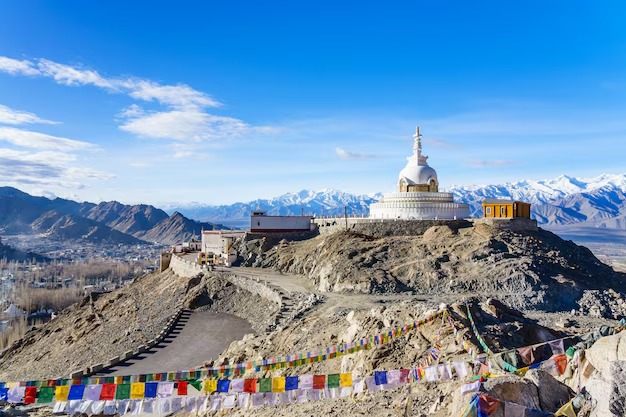
Ladakh
Ladakh is not a place that eases you in gently. The moment your flight descends into Leh,...
 1 package
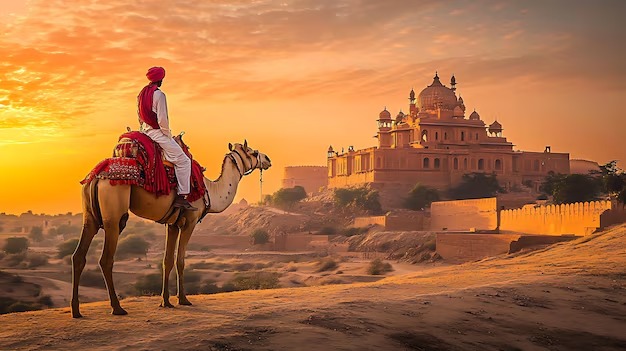
Rajasthan
In terms of size, Rajasthan is the largest state in India. It covers the northwestern part...
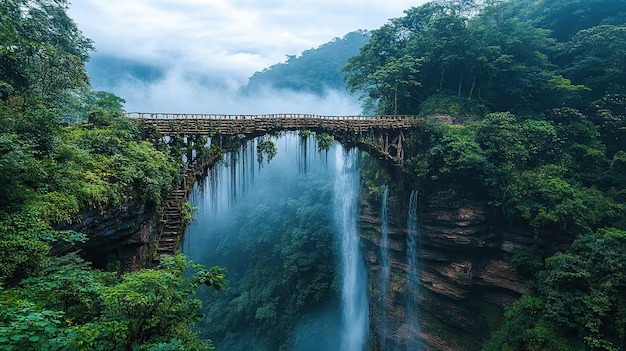
Meghalaya
Meghalaya, one of the most enchanting states of Northeast India, is truly nature’s paradis...
 1 package
Jammu and Kashmir
Jammu and Kashmir offers two different travel experiences in one tour. Jammu is known for...
Get a Free Quote
Thank you! Your enquiry is received.
Our travel expert will contact you shortly.