
 Honeymoon
4N/5D
Honeymoon
4N/5D Exotic Honeymoon package in Kashmir
Stay
Meals
Sightseeing
Rs 11,999Rs 15,999
Save Rs 4,000
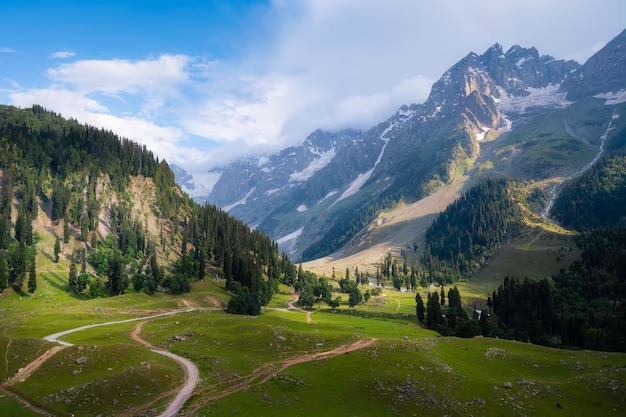
Jammu and Kashmir offers two different travel experiences in one tour. Jammu is known for its temples, warmer weather, and open la...
Get a Free QuoteJammu and Kashmir offers two different travel experiences in one tour. Jammu is known for its temples, warmer weather, and open landscapes, while Kashmir draws visitors with its lakes, houseboats, apple orchards, and snow-covered mountains. Many travellers visit Kashmir first but also find plenty to enjoy in Jammu.
Srinagar, the summer capital, is famous for Dal Lake and its traditional wooden houseboats. Some of these houseboats have welcomed visitors for more than a hundred years. The Mughal Gardens near the lake are another popular attraction. Gulmarg, located 55 km from Srinagar at an altitude of 2,650 metres, attracts skiers in winter. During summer, its slopes turn green, and the cable car offers views of the mountains near Apharwat Peak.
Pahalgam is also known as the Valley of Shepherds. It is a peaceful hill town. Sonamarg, whose name means Meadow of Gold, is known for its summer wildflowers and heavy winter snowfall.
Jammu has its own important attractions, including Vaishno Devi, one of India’s most visited pilgrimage sites. Patnitop offers a quieter hill-station experience near Udhampur, while Bahu Fort and Raghunath Temple are worth visiting in Jammu city.
For many visitors, one trip to Jammu and Kashmir is enough to start thinking about the next.
Spring is a good time to explore the Kashmir Valley. Srinagar’s Tulip Garden, described as the largest in Asia, usually blooms between late March and early April. Pahalgam and Sonamarg turn lush green, and daytime temperatures remain pleasant. The season suits sightseeing, outdoor walks, and honeymoon trips.
Summer is the busiest and peak tourist season in Kashmir. Many families plan their holidays during school breaks, so places such as Dal Lake, Gulmarg, Pahalgam, and Sonamarg see more visitors. The Amarnath Yatra usually takes place between June and August. Jammu can become very hot during these months, which is why many travellers prefer spending their time in the Kashmir Valley.
Autumn brings a different look to Kashmir. During October and November, the chinar trees turn shades of red, orange, and yellow. During this time, tourist crowds usually become smaller, and prices of tour packages may see a drop. It is the best time to enjoy the autumn of the valley.
Snowfall covers much of the Kashmir Valley during winter. Dal Lake can partially freeze in January, while Gulmarg becomes a popular destination for skiing. The best snow conditions for skiing are generally found between mid-January and late February. Pahalgam and Sonamarg can be difficult to reach during this period, so winter is better suited to travellers who specifically want to experience snow and winter sports. Jammu remains accessible during winter.
Sheikh ul-Alam International Airport (SXR) in Srinagar receives most air travellers visiting the Kashmir Valley. Daily flights connect Srinagar with Delhi, Mumbai, Bengaluru, and several other cities. Jammu Airport (IXJ) also has connections to Delhi and a few other cities. Srinagar is generally the more convenient airport for tourists exploring the valley.
Jammu Tawi Railway Station (JAT) is an important and major railway station. Trains from major cities such as Delhi and Mumbai stop here. The Jammu Mail and Jammu Tawi Rajdhani are among the most commonly used by tourists coming from Delhi. Due to the Banihal Tunnel, rail services have also expanded into the Kashmir Valley. Trains operate between Baramulla, Srinagar, Banihal, and Sangaldan.
National Highway 44 (NH 44) connects Punjab with Jammu. From Jammu, NH 1 passes through the Jawahar Tunnel and continues towards Srinagar and Sonamarg, with routes onward towards Ladakh. The distance between Jammu and Srinagar is around 270 km and takes about 8 to 9 hours. Traffic and road conditions may affect the travel time. You can travel by state-run buses and private taxis.
Wazwan is more than a single dish. A traditional Kashmiri Wazwan can have up to 36 courses. Some of the important courses are: Tabak Maaz, Rista, Rogan Josh, Daniwal Korma, Aab Gosh, Gushtaba, and Kahwa, which is served towards the end.
Rogan Josh is one of the best-known dishes in Kashmiri cuisine. It consists of lamb cooked slowly with Kashmiri red chilli and whole spices to make a rich, red gravy. Traditional versions do not use tomatoes or onions and may use Ratanjot, a root bark, to give the dish its colour.
Yakhni is a lamb dish prepared in a yoghurt-based gravy flavoured with fennel seeds, cardamom, cloves, and bay leaves. Its pale gravy has a mild, delicate taste compared with richer Kashmiri meat dishes. It is a popular part of Wazwan and pairs well with rice, particularly on a cold evening.
Kashmiri Dum Aloo is a popular Kashmiri dish. It is made with baby potatoes. They are fried before being cooked in a spiced yoghurt and Kashmiri chilli gravy. The potatoes are then cooked slowly in a covered pot, so that they absorb the flavours. It is a popular vegetarian choice and can be served with rice or roti.
Gushtaba is traditionally served towards the end of a Wazwan feast. It is made from finely pounded mutton shaped into large koftas and cooked in a white yoghurt gravy. The meat has a soft texture, and the dish is rich and filling.
You can not complete your Kashmir without enjoying Kahwa, which is a traditional Kashmiri green tea. prepared with ingredients such as crushed almonds, saffron, cinnamon, and cardamom. It is served hot in small cups and is often offered to guests in Kashmiri homes and guesthouses.
Nadru Yakhni is a Kashmiri dish made with lotus stem, known locally as Nadru. The lotus stem is cooked in a yoghurt and fennel gravy similar to the one used for meat Yakhni. It has a firm texture and a mild flavour, making it a good option for visitors interested in Kashmiri vegetarian food.
Honeymoon
4N/5D Rs 11,999Rs 15,999
Tell us your dates, budget and interests and we will build a plan around you.
Jammu and Kashmir is known for Dal Lake and its houseboats, skiing in Gulmarg, the Amarnath Cave shrine, Vaishno Devi temple, Pahalgam, Sonamarg, and the Mughal Gardens in Srinagar. The colourful chinar trees in October are another highlight.
March to May is a good time if you want to enjoy spring flowers and comfortable weather. September to November is ideal to visit the place without rush and to discover autumn colours, clear skies. If you want to experience snowfall and skiing in Gulmarg, consider visiting between December and February.
Yes. There are many things to enjoy here for families. From enjoying Shikara rides on Dal Lake to visiting Mughal Gardens, each member has something to enjoy.
Yes. Spring and autumn are lovely seasons for a honeymoon in Kashmir. Couples can stay on a houseboat on Dal Lake, explore the meadows of Pahalgam, and visit Sonamarg during summer.
You can cover the 1.5 to 2-hour distance by taxi. You can also take shared cabs and buses from Srinagar. There is no direct train or flight to Gulmarg.
Five to six days is usually enough to explore Srinagar, Gulmarg, and Pahalgam at a relaxed pace. If you also want to visit Sonamarg, Vaishno Devi, and Jammu city, plan for around 8 to 10 days. Exploring more remote places such as Gurez Valley may require 12 to 14 days.
Keep planning your India trip
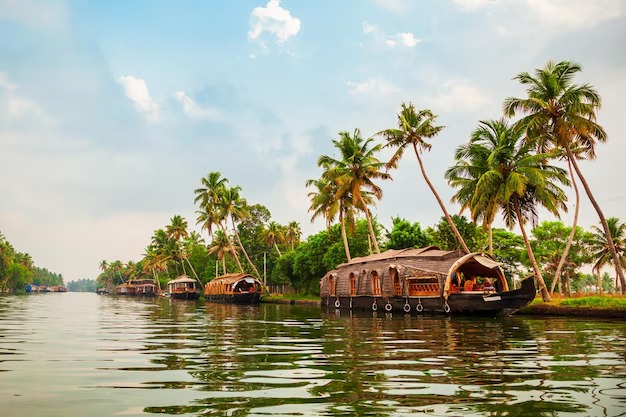 2 packages
Kerala is a beautiful state; it is very hard to describe its beauty in words. It is locate...
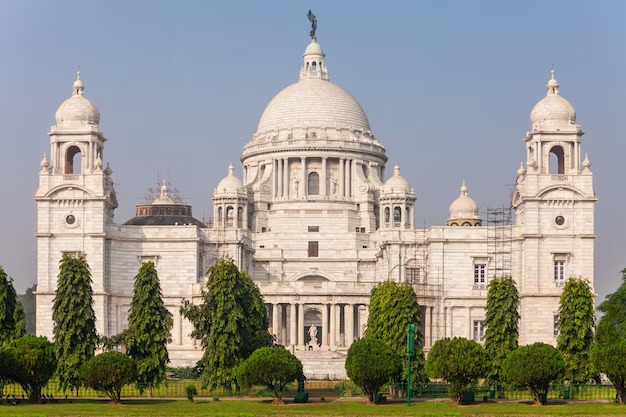
West Bengal,is a state in eastern India, stretching from the Himalayas in the north to the...
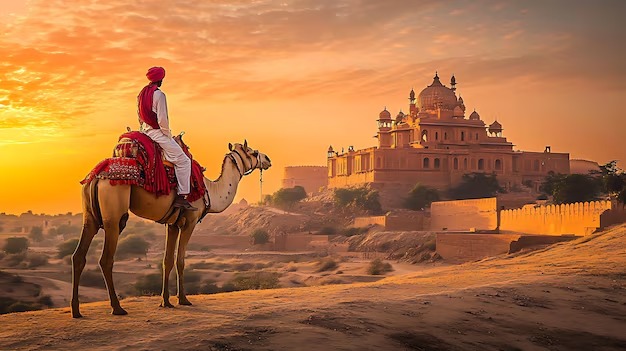 1 package
In terms of size, Rajasthan is the largest state in India. It covers the northwestern part...
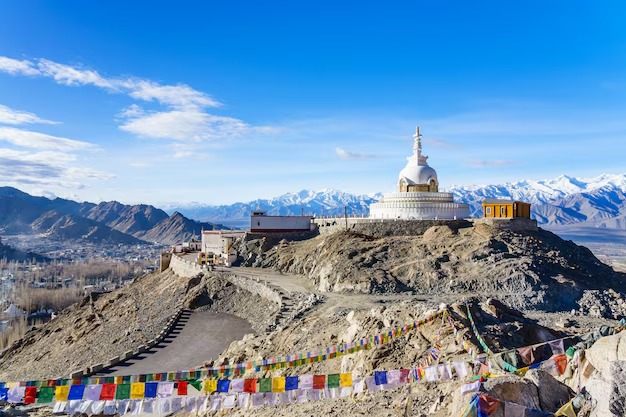
Ladakh is not a place that eases you in gently. The moment your flight descends into Leh,...
Our travel expert will contact you shortly.