
 Honeymoon
5N/6D
Honeymoon
5N/6D Explore Memorable holiday in Rajasthan
Stay
Meals
Sightseeing
Rs 14,999Rs 17,999
Save Rs 3,000
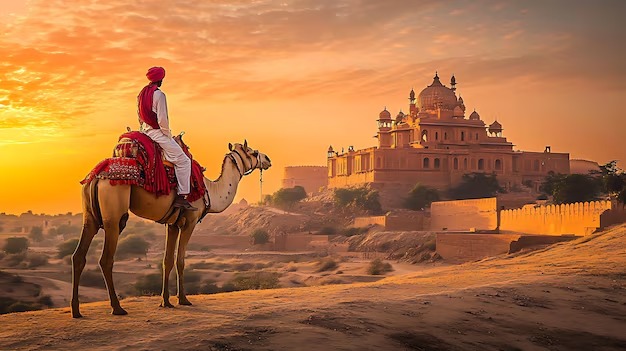
In terms of size, Rajasthan is the largest state in India. It covers the northwestern part of the country, with Pakistan to the we...
Get a Free QuoteIn terms of size, Rajasthan is the largest state in India. It covers the northwestern part of the country, with Pakistan to the west and Punjab, Haryana, Uttar Pradesh, Madhya Pradesh, and Gujarat around its other borders. The Thar Desert, which is one of the most populated desert regions in the world, is also located here.
The name means Land of Kings. You can see why in every city. Each city in Rajasthan has its own personality. Beyond the forts and palaces, Rajasthan has Ranthambore National Park, one of the best places in India to spot tigers in the wild. The Pushkar Camel Fair brings tens of thousands of traders, pilgrims, and travellers to a small town in Ajmer district every October or November. Bharatpur’s Keoladeo National Park is a UNESCO-listed bird sanctuary.
Mount Abu, the state’s only hill station in the Aravalli range, gives a very different character to the state’s southwestern edge. Hill forts of Rajasthan such as Chittorgarh, Kumbhalgarh, Ranthambore, Amber, Gagron, and Jaisalmer are listed as UNESCO World Heritage Sites. Rajasthan is also popular for its heritage hotels. Dozens of old forts and palaces across the state have been converted into working hotels where you sleep in rooms that were built for royalty.
Most tourists prefer to choose this window. The temperature during this time becomes manageable. Nights get cold in January and February, and every major festival in the state falls in this period, such as the Pushkar Camel Fair, the Desert Festival at Jaisalmer, and the Jaipur Literature Festival. All the major forts, palaces, national parks, and desert camps operate at full capacity.
Still pleasant in the early part. The Gangaur festival, celebrating the love between Shiva and Parvati, runs across the state in March or April. Holi is celebrated with particular colour and energy in Jaipur and Pushkar. Temperatures start climbing by mid-April. Worth planning if you want festivals without the peak-season crowds of winter.
The Thar Desert bakes. Temperatures in cities like Jaisalmer, Bikaner, and Jodhpur cross 45 degrees regularly. During this time period, fewer tourists visit Rajasthan. Mount Abu, sitting at around 1,200 metres in the Aravalli Hills, stays cooler and hosts a Summer Festival. Due to the low demand, budget travellers find better deals on tour packages for Rajasthan.
Rain arrives in July and the desert landscape changes. The countryside around Udaipur and the Aravalli hills turns green. Udaipur and surrounding areas look particularly good in the rains. However, roads to remote areas and desert camps can become difficult. Ranthambore National Park closes during the monsoon.
Jaipur International Airport (JAI), located in Sanganer, is the main gateway for travellers arriving by air. It is connected domestically with Delhi, Mumbai, Bengaluru, and Hyderabad. Also, it operates several international flights. Maharana Pratap Airport (UDR) serves Udaipur. Jodhpur Airport (JDH) and Bikaner Civil Airport (BKB) handle domestic traffic for the western part of the state. Most travellers fly into Jaipur and move through the rest of Rajasthan by road or rail.
Rajasthan has an extensive railway network. Jaipur Junction is the busiest station in the state, connected by express trains to Delhi, Mumbai, Kolkata, and beyond. Ajmer, Jodhpur, Udaipur, Bikaner, Kota, Alwar, and Abu Road are major stations. Several luxury trains run through Rajasthan including the Palace on Wheels, which is a week-long heritage train journey covering Jaipur, Jaisalmer, Jodhpur, Udaipur, and other cities. To reach Ranthambore, Sawai Madhopur is the railhead.
Twenty national highways pass through the state. That is why reaching here from neighbouring states becomes easier. From Delhi, NH 48 is the main route to Jaipur. It covers roughly 270 km in around 5 hours. NH 8 connects Rajasthan to Ahmedabad and Gujarat. The Rajasthan State Road Transport Corporation (RSRTC) runs Volvo and sleeper bus services between major cities and to Delhi, Agra, Ahmedabad, and Indore. Inter-city private taxis are widely available and practical for multi-destination trips across the state.
This dish is one of the most famous dishes of Rajasthan. In this dish, three things come together on one plate. Baati are hard, round wheat rolls. They are baked over fire or in a tandoor. Then they are cracked open and dunked in clarified ghee. Dal is a five-lentil mix, spiced and slow-cooked. Churma is coarsely crushed wheat, cooked in ghee and sweetened with jaggery or sugar.
A mutton curry built on Mathania red chillies, a variety grown specifically in Rajasthan and known for deep colour rather than sharp heat. The meat is cooked in mustard oil with garlic, whole spices, and a generous quantity of ghee until the oil separates and the gravy turns a deep, dark red. After that, it is served with bajra roti or steamed rice.
Rajasthan’s dry climate means fresh vegetables are not always available, so cooks here became inventive with gram flour. Gatte are firm cylinders of seasoned chickpea flour dough, boiled and then cut into pieces and cooked in a tangy yogurt-based gravy with dried spices. Served with roti or rice.
Both ingredients come from the desert. Ker is a small berry that grows wild in the Thar. Sangri is a long, dried bean from the Khejri tree, the state tree of Rajasthan. Both are dried, soaked, and cooked together in oil with dry red chillies, turmeric, and dried mango powder. Tangy, slightly bitter, and intensely flavoured. Served as a side dish with bajra roti. One of the most authentically Rajasthani things you can eat.
A round, flaky pastry shell filled with a spiced onion mixture, deep-fried until golden brown. You can easily find it at breakfast stalls and sweet shops across Jodhpur, particularly. It is generally served with tamarind and coriander chutney. Crisp on the outside and wet with filling on the inside.
Pearl millet flatbread, thick, coarse, and smoky from the fire it is cooked on. Eaten with a raw garlic chutney made from crushed garlic, dry red chillies, and salt ground together. Simple food from the villages of Rajasthan, but the garlic chutney against the earthy bajra roti is a sharp and satisfying combination. Found at dhabas and village restaurants across western Rajasthan.
Ghevar is a disc-shaped sweet. It is made from a batter of flour, ghee, and water. It is fried in a ring mould and soaked in sugar syrup, then topped with rabdi, malai, or dry fruits. Ghevar is available year-round in sweet shops across Jaipur and Jodhpur. Crisp, sweet, and very rich.
Honeymoon
5N/6D Rs 14,999Rs 17,999
Tell us your dates, budget and interests and we will build a plan around you.
Rajasthan is famous for many attractions and spots such as forts and palaces built by Rajput rulers, Thar Desert, camel safaris, Ranthambore National Park, the Pushkar Camel Fair, Udaipur’s lakes, the living fort of Jaisalmer, Jodhpur’s blue old city, and heritage hotel stays. Also, this place is popular for its local food such as Dal Baati Churma and Laal Maas.
October to February is the most comfortable period, with the most festivals. March to April works for spring colours and Gangaur. Monsoon from July to September is pleasant in Udaipur and the Aravalli areas. Avoid May and June in the desert cities unless you have a reason to be there.
You can cover the Golden Triangle add-on of Jaipur, Jodhpur, and Udaipur in 5–6 days. But if you really want to explore Rajasthan, you need to have 12–16 days.
Yes. Ranthambore is one of the places where the possibility of tiger sightings is higher. October to June is the best time, as the park closes during the monsoon. Safari permits are limited and fill up fast, so book online or tell your tour operator when you book and choose a tour package.
Yes. Udaipur particularly, with its lake palaces, rooftop restaurants, and boat rides on Lake Pichola, is one of the most unique honeymoon destinations. Jaisalmer’s desert camps under a clear sky are also a strong option. The best time for a honeymoon trip is October to March.
The Pushkar Camel Fair is one of the largest livestock fairs in the world, held in Pushkar in the Ajmer district every October or November according to the lunar calendar. Tens of thousands of traders bring camels, horses, and cattle to buy and sell over several days. Folk performances, camel races, competitions, and religious activity around the Pushkar Lake all happen simultaneously. It is worth planning a trip around if you want to see rural Rajasthan at its most colourful.
Keep planning your India trip
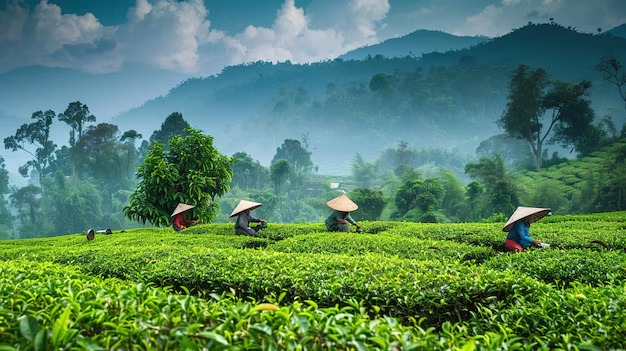
Assam is in the northeast of India, tucked between Arunachal Pradesh to the north, Nagalan...
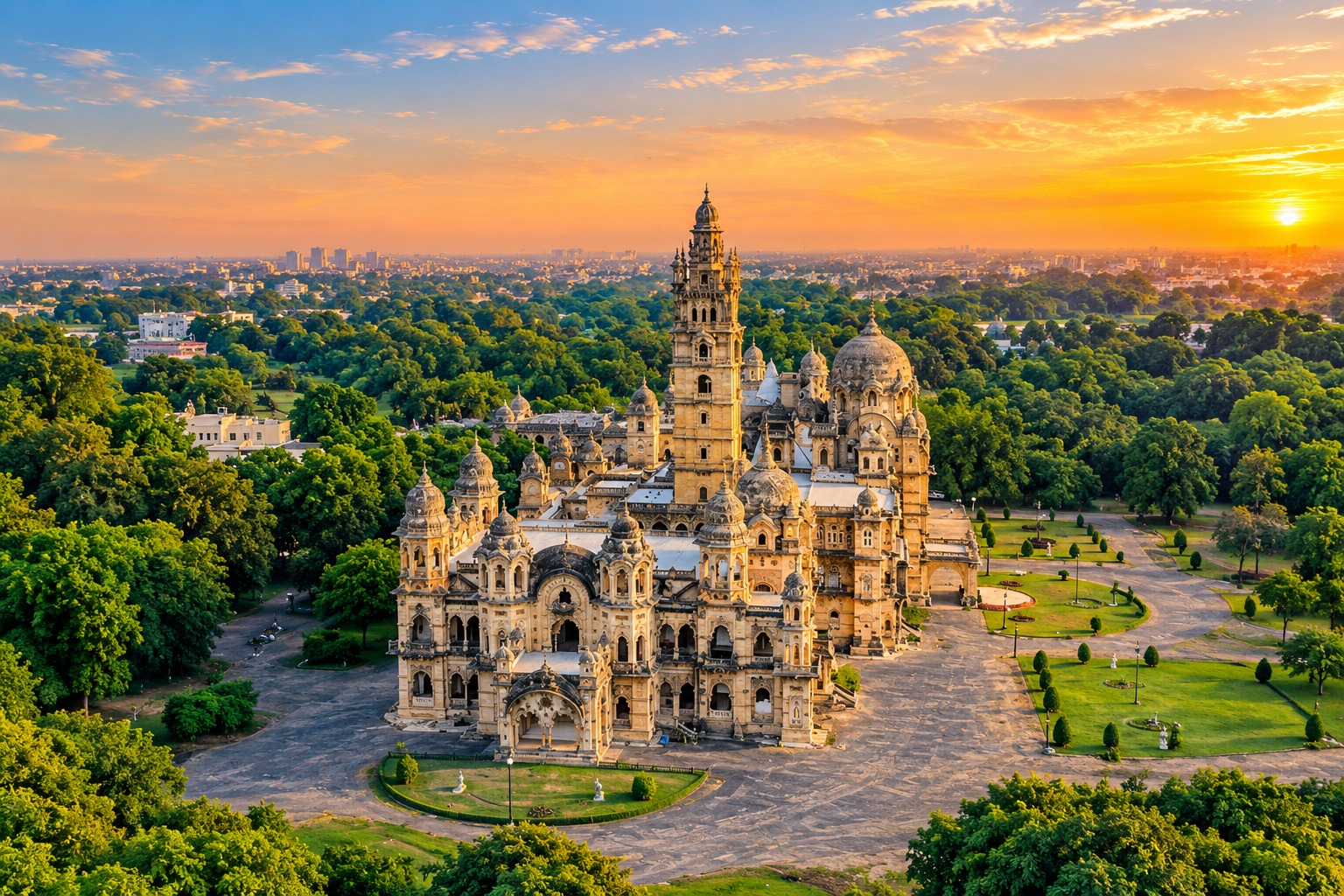 1 package
Gujarat is located in western India. The land that meets the Arabian Sea. Salt deserts in...
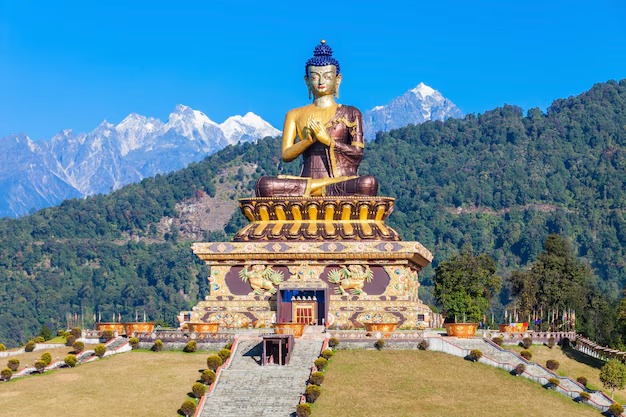 1 package
Sikkim, nestled in the northeastern Himalayas, is one of India’s most picturesque states,...
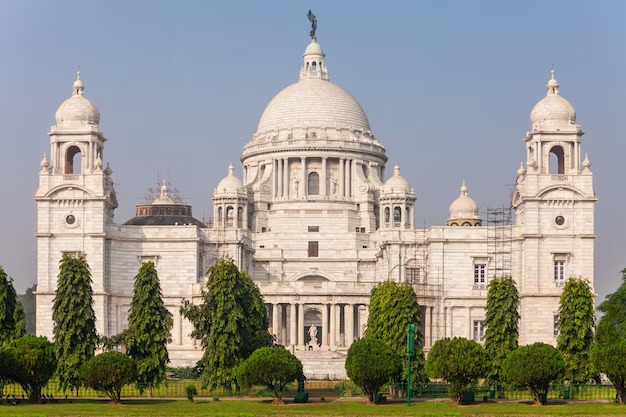
West Bengal,is a state in eastern India, stretching from the Himalayas in the north to the...
Our travel expert will contact you shortly.