
 Solo
2N/3D
Delhi
Delhi is not only the capital of India, but also a blend of history, architecture, and diverse culture. Walk a few kilometres in a...
Get a Free QuoteAbout Delhi
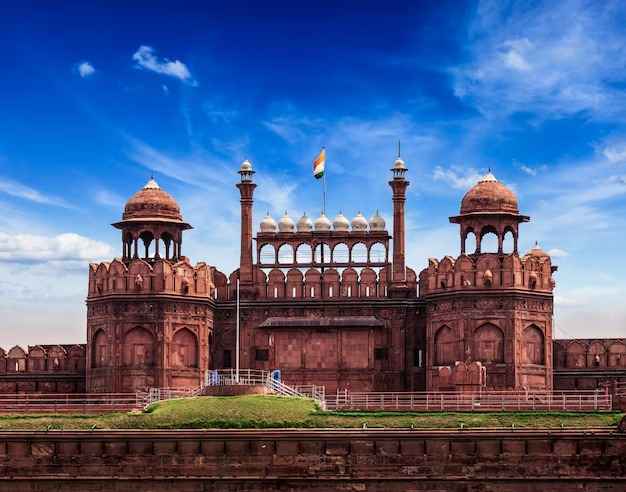
Delhi is not only the capital of India, but also a blend of history, architecture, and diverse culture. Walk a few kilometres in any direction, and you move through centuries. The city officially has two parts. Old Delhi and New Delhi. Old Delhi was built during the time of a Mughal emperor in the 17th century. It is a tight web of lanes, mosques, markets, and food stalls that has barely slowed down since it was first laid out. Chandni Chowk runs through its heart. Jama Masjid, also built by Shah Jahan and completed in 1656, rises above the rooftops nearby. New Delhi, planned and built by the British in the early 20th century, has wide roads, government buildings, museums, and open green spaces. The two halves sit next to each other and feel like entirely different cities.
As the capital, Delhi holds most of the country’s significant political and administrative institutions such as the Rashtrapati Bhavan (President’s residence), the Parliament building, and the Supreme Court. But for most visitors, it is the monuments, the food, and the sheer intensity of the place that they come for.
Delhi is also home to three UNESCO World Heritage Sites. The Red Fort, built by Shah Jahan and completed in 1648; Qutub Minar, a 73-metre sandstone minaret begun in 1199 by Qutub-ud-din Aibak, the first Sultan of Delhi; and Humayun’s Tomb, built in 1565–1572 and considered the first major Mughal garden tomb in India.
Beyond the monuments, Delhi is one of the best food cities in the country. Street food in Old Delhi, the kebab and biryani culture around Jama Masjid, and the diversity of cuisines that reflect every part of India living side by side here make eating in Delhi a serious undertaking.
Delhi tour packages
Solo
2N/3D Custom Delhi itinerary
Tell us your dates, budget and interests and we will build a plan around you.
Best time to visit Delhi
Best time
Winter
October to MarchMost tourists come in winter, when Delhi is most liveable. October and November are warm through the day and cool at night. Major events such as Diwali, Christmas celebrations, New Year celebrations and the Republic Day parade take place during this time period.
Summer
April to JuneTemperatures climb fast after March. By May, temperatures start crossing around 42 to 45 degrees Celsius in the afternoon. The heat is dry in May but becomes humid as June approaches. During this time period, the best time for sightseeing is before 10 am or after 5 pm. Fewer crowds and lower hotel prices make it a perfect time for budget travellers to visit Delhi during this time.
Monsoon
July to SeptemberDelhi receives monsoon rain from July through mid-September. Temperatures drop to around 30 to 35 degrees. The rain brings some relief but also traffic chaos and occasional waterlogging. This time period may not be the most comfortable time to visit Delhi, but it is not impossible either.
Post-Monsoon
October to NovemberAfter the monsoon rains, the weather becomes clear in Delhi on most of the days. The air quality is better, and the temperature is neither hot nor cool. This is a suitable time to enjoy a tour at a slow pace with comfortable weather.
How to reach Delhi
By air
The main airport of Delhi is Indira Gandhi International Airport (DEL) in Palam. The distance between this airport and the city centre is about 15-20 km. It is India’s busiest airport. It operates International and domestic flights. The Airport Express Metro (Orange Line) connects Terminal 3 directly to New Delhi Railway Station. You can also hire prepaid taxis or book a cab through platforms and cab aggregators like Ola and Uber.
By rail
Delhi has five major railway stations: New Delhi Railway Station, Old Delhi Railway Station, Hazrat Nizamuddin Railway Station, Anand Vihar Railway Terminal, and Sarai Rohilla. New Delhi is the busiest and most centrally located. Delhi is connected with almost every part of India through trains. Rajdhani, Shatabdi, and Vande Bharat express trains run from Delhi to major cities like Mumbai, Kolkata, Chennai, Jaipur, and Lucknow.
By road
Delhi has three major bus terminals. ISBT Kashmiri Gate for buses to North India, Himachal Pradesh, and Jammu and Kashmir; Sarai Kale Khan for Rajasthan, Uttar Pradesh, and South India; and Anand Vihar for Uttar Pradesh and Uttarakhand. National highways NH 44, NH 48, and NH 19 connect Delhi to the rest of the country. Private Volvo buses from Jaipur (5 hours), Agra (4 hours), and Chandigarh (5 hours) are popular and comfortable.
tbhthnthht
Local food to try in Delhi
Chole Bhature
Delhi’s most iconic breakfast. Spiced chickpeas cooked in a thick, tangy gravy served alongside large, deep-fried puffy bread called bhature. The bhature puffs up and deflates when you tear it open. The chole should be dark and well-cooked, not pale.
Parathas at Paranthe Wali Gali
A narrow lane off Chandni Chowk that has been selling stuffed parathas since the 19th century. The fillings include potato, paneer, radish, peas, raw mango, and dried fruit. Each paratha comes with a line-up of chutneys, pickles, and a small bowl of sabzi. It is cooked in ghee and served on a leaf plate. The lane itself is barely wide enough for three people to walk abreast. Get there before noon.
Kebabs and Biryani near Jama Masjid
The Mutton Burra, Chicken Jahangiri, and nihari here are slow-cooked over low heat. Seekh kebabs, galouti kebabs, and shami kebabs are available at stalls along the lanes too. This area around Jama Masjid is where Old Delhi’s Mughal food tradition has stayed mostly intact. Go for an early dinner as the best stalls run out of their specialities.
Delhi Chaat
Chaat includes several snacks. Most chaat shops serve gol gappa, aloo tikki, papdi chaat, and dahi bhalla. In just a few bites, you experience a tangy and flavourful taste.
Butter Chicken
Butter chicken, one of India’s most exported dishes, was invented in Delhi. It originated when leftover tandoori chicken was added to a tomato-cream gravy to prevent waste. The original is a mild, orange-red gravy, rich but not fiery. Have it with a rumaali roti, not a naan.
Nihari
A slow-cooked meat stew made from trotters, knuckles, or shank, simmered overnight with spices and wheat flour to thicken the broth. Once you eat this heavy, deeply flavoured kind of food, it keeps you full for long hours. It is usually served with tandoor-fresh bread.
Travel tips for Delhi
- Buy a Delhi Metro card (token or stored-value card) on arrival. It saves time at every station and works out cheaper per trip than buying individual tokens.
- Old Delhi, including Chandni Chowk and the Red Fort area, is best visited in the morning between 8 and 11 am before the heat and crowds build. Afternoons here are difficult in any season.
- Book monument tickets online through the Archaeological Survey of India (ASI) portal to skip the queue at the Red Fort, Qutub Minar, and Humayun’s Tomb.
- Take care of your pockets and bags in crowded places and metro stations. Pickpocketing is common in dense tourist areas.
- Do not drink tap water anywhere in Delhi. Stick to sealed bottled water.
- Do not eat from a restaurant or stall that does not maintain hygiene.
- Use online ride-booking apps such as Rapido, Ola, and Uber to book auto-rickshaws, cars, and other vehicles.
- If you have any respiratory issues and breathing sensitivities, avoid visiting Delhi from October to January. In case you do, wear an N95 mask.
- To attend the Republic Day parade at the Kartavy Path, book the tickets through the official government portal or tell the tour operator to do it for you.
Delhi travel FAQs
Q1. What is Delhi most famous for?
Delhi is famous for the Red Fort, Qutub Minar, Akshardham, Humayun’s Tomb (all three UNESCO World Heritage Sites), India Gate, Jama Masjid, Lotus Temple, Chandni Chowk street food, and the Mughal and British-era historical monuments.
Q2. How many days are enough to see Delhi?
In 3-4 days, you can cover the main monuments and Old Delhi. But having 4-5 days allows you to explore the places at a comfortable pace; for destinations like the Taj Mahal (Agra) and Jaipur, Delhi works as a base.
Q3. Is Delhi safe for solo female travellers?
Yes. You just need to follow some basic precautions, like in any large city. After evening, stick to well-lit areas. To get from one place to another, use app-based cabs. Do not visit or walk around isolated areas after dark. With sensible precautions and alertness, Delhi is safe.
Q4. Is Delhi good for a day trip from Agra or Jaipur?
Yes. Trains from Agra to New Delhi take 2 to 3 hours depending on the service. Jaipur to Delhi is 4 to 5 hours by road or train. Many travellers on the Golden Triangle route of Delhi, Agra, and Jaipur use Delhi as the starting or ending point.
Q5. What are the famous foods in Delhi?
Chole bhature, parathas from Paranthe Wali Gali, kebabs and nihari near Jama Masjid, butter chicken and chaat at any roadside stall are famous and worth trying.
Q6. Can I visit the Red Fort at night?
The Red Fort runs a Sound and Light Show in the evenings, which gives you the monument in a different context. The show covers the history of the fort in about 60 minutes. Check current timings and ticket availability on the ASI website as schedules vary by season. Entry to the fort itself closes at sunset on regular days.
Q7. What are the best areas to stay in Delhi for tourists?
Connaught Place and the surrounding central Delhi are good to stay in due to easy metro access and proximity to both Old and New Delhi. Paharganj near New Delhi Railway Station is good for budget travellers. South Delhi areas like Hauz Khas and Saket are good for restaurants, cafes, and a quieter base. Aerocity near the airport for those with an early morning flight or a short transit stay.
More Destinations to Explore
Keep planning your India trip
 7 packages
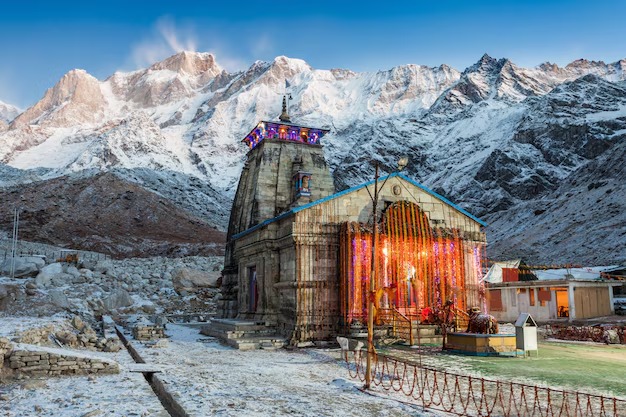
Uttarakhand
Uttarakhand, which is also known as Devbhoomi (the Land of the Gods), is a blend of nature...
From Rs 5,200
Explore
 3 packages
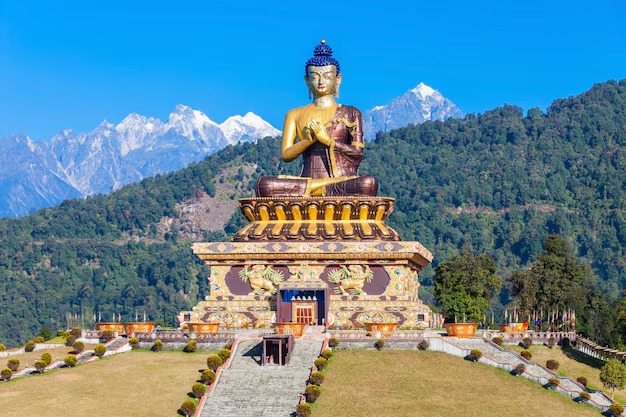
Sikkim
Sikkim is small. But it has a lot of things to discover and explore that even bigger state...
From Rs 10
Explore
 2 packages
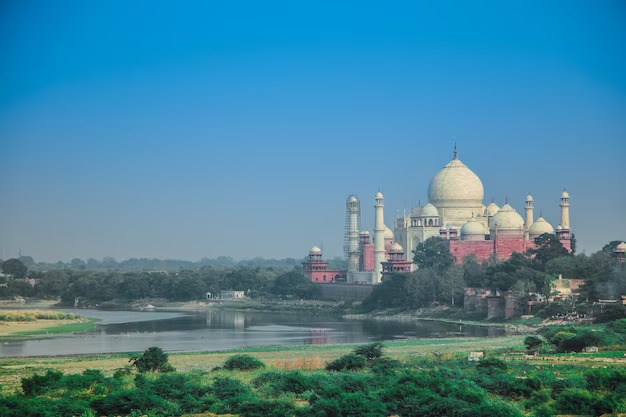
Uttar Pradesh
Apart from being the 4th-largest state in India, Uttar Pradesh is home to many tourist des...
From Rs 5,499
Explore
 2 packages
Ladakh
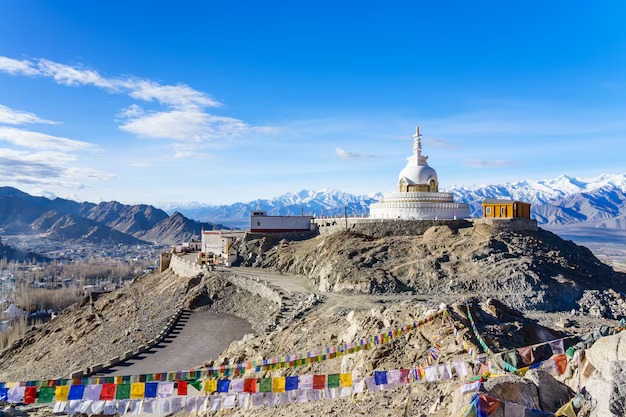
Ladakh is not a place that eases you in gently. The moment your flight descends into Leh,...
From Rs 10
Explore
Get a Free Quote
Thank you! Your enquiry is received.
Our travel expert will contact you shortly.