Gujarat tourism

Gujarat

Gujarat is located in western India. The land that meets the Arabian Sea. Salt deserts in the north, dense forests in the south, a...

Get a Free Quote

About Gujarat

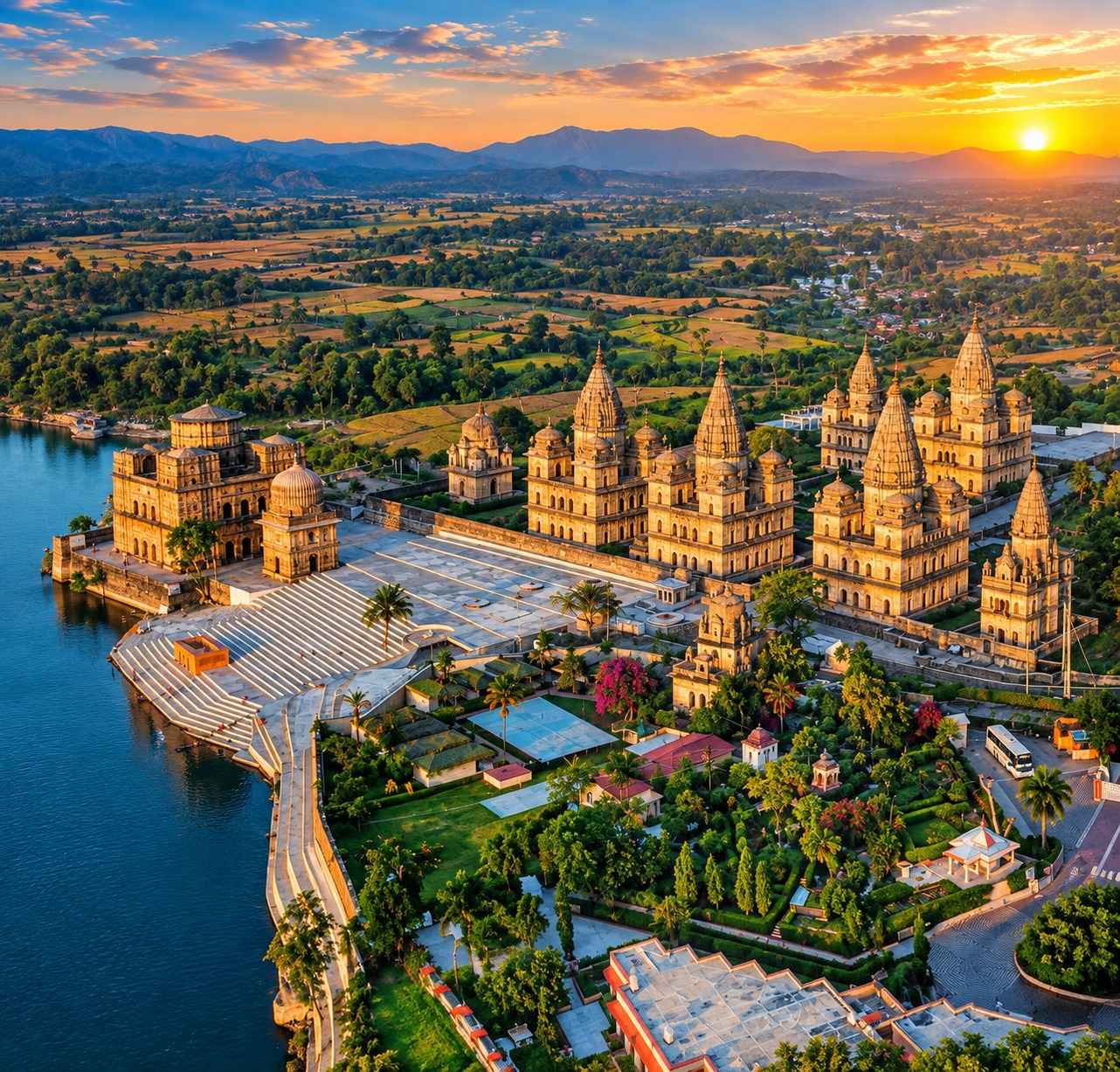
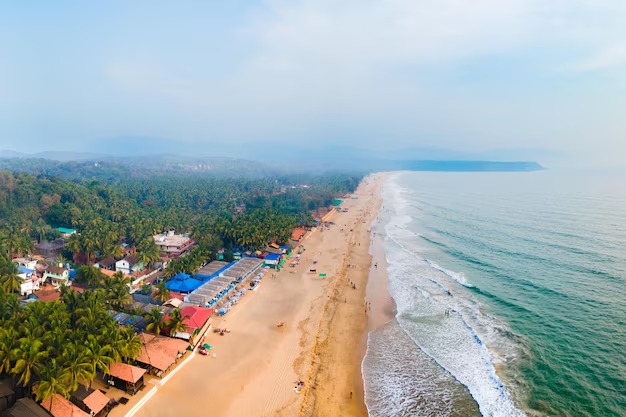
Gujarat is located in western India. The land that meets the Arabian Sea. Salt deserts in the north, dense forests in the south, ancient temple towns on the coast, and trading cities in the centre. No other place can have such a variety of spots. The state shares borders with Rajasthan and Madhya Pradesh to the east, Maharashtra to the south, and Pakistan to the north through the Rann of Kutch.

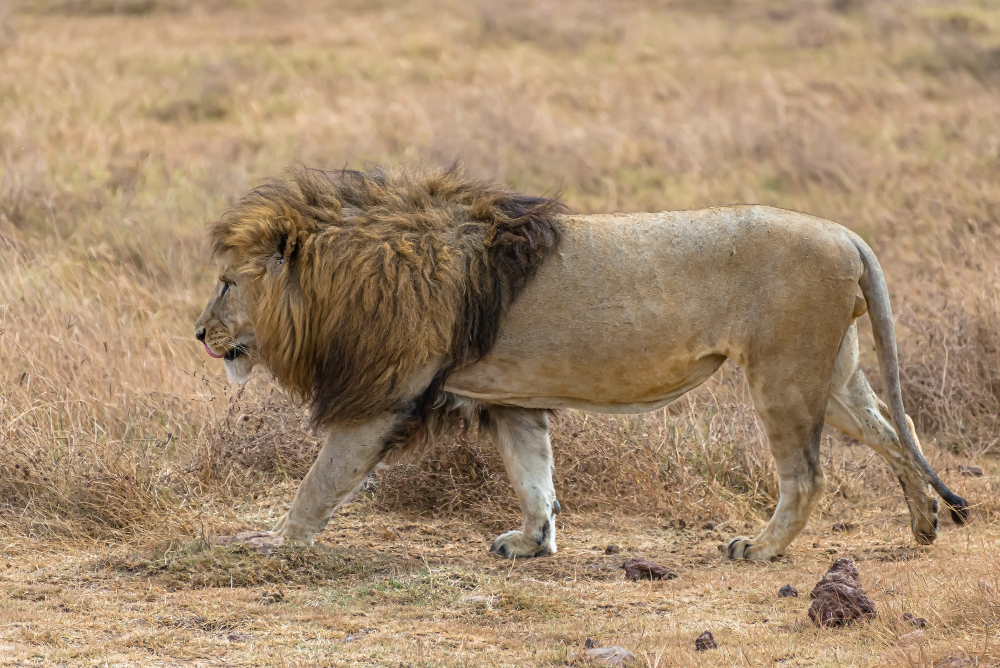
In the Saurashtra peninsula, the Gir Forest is the only place in the world outside Africa where you can watch lions in the wild. These are Asiatic lions, a subspecies that survived near extinction and now lives only here. Somnath and Dwarka, two of the most sacred Hindu pilgrimage sites in the country, also sit on this peninsula along the Arabian Sea coast.

Ahmedabad, the largest city, carries its history carefully. The Sabarmati Ashram here is where Mahatma Gandhi lived and launched the Dandi March in 1930. The markets, the architecture, and the street food all reflect a city that has been a centre of trade for centuries.

The atmosphere during the Navratri becomes unique. Nine nights of garba and dandiya, played out in stadiums, open grounds, and residential neighbourhoods across the state, on a scale that has no match anywhere else in India. Uttarayan, the kite festival on January 14th every year, turns every terrace in Ahmedabad into a coloured sky. Gujarat is almost entirely vegetarian. The food is inventive, layered, and better than most people expect before they arrive.

Best time to visit Gujarat

Winter

October to February

Most of Gujarat works best in this window. The heat drops, the sky clears, and everything opens up. The Rann Utsav at Kutch runs through this period. Gir National Park is fully operational. During this time, you can comfortably visit Somnath, Dwarka, Vadodara, and the Statue of Unity. Undhiyu, the signature winter dish, only appears on menus during these months when the vegetables come in season. This is the window most people who know Gujarat well will recommend.

Summer

March to May

In summer, places like Kutch and Saurashtra get genuinely harsh. Temperatures cross 40 degrees regularly, which leads to a low number of tourists. City tourism continues, but outdoor travel becomes tiring. Saputara, Gujarat’s only hill station in the Sahyadri range, stays cooler and works for families escaping the heat. Budget travellers willing to deal with the weather will find lower prices during this period.

Monsoon

June to September

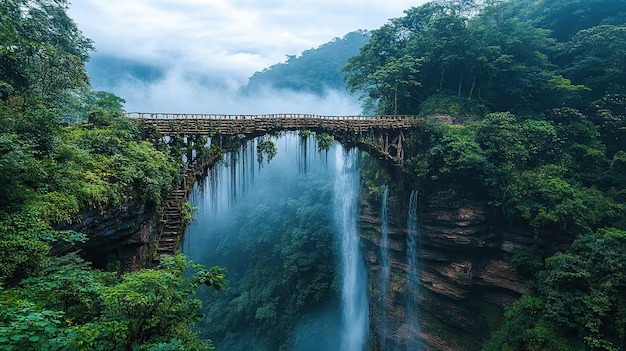
The southwest monsoon brings rain to parts of Gujarat. Though Kutch remains relatively dry. Gir National Park closes around June. The Polo Forest near Sabarkantha, however, comes alive during the rains with waterfalls and dense green cover. This is a quieter time with fewer crowds and at low costs.

Navratri

September to October

If Navratri is the reason you are visiting Gujarat, plan your trip around the Hindu calendar date for that year. It falls in September or October. Book accommodation in Ahmedabad, Vadodara, or Surat at least two to three months ahead. Hotels fill up completely during this period, and prices go up significantly.

How to reach Gujarat

By air

Gujarat has some of the major airports in the country. One international airport is Sardar Vallabhbhai Patel International Airport. It is in Ahmedabad. Apart from international flights, it operates domestic direct flights to major cities such as Bengaluru, Mumbai and Delhi. Surat Airport (STV) and Vadodara Airport (BDQ) handle domestic flights. Especially for those going towards central and southern parts of the state. Rajkot Airport (RAJ) serves Saurashtra. Bhuj Airport (BHJ) is the closest air link for Kutch. For most tourists, Ahmedabad is a perfect arrival point.

By rail

Gujarat has a strong rail network. Ahmedabad Junction, Vadodara Junction, Surat, and Rajkot are the busiest stations. Vadodara sits directly on the Delhi-Mumbai main railway line, which means direct trains run to it from nearly every corner of India. The Shatabdi, Rajdhani, and Duronto express from Delhi and Mumbai stop at Ahmedabad and Vadodara regularly. For those heading into Kutch, Bhuj Railway Station is the railhead to use.

By road

The Mumbai-Ahmedabad Expressway is the main road corridor if you are coming from Maharashtra. It's roughly 530 km and takes about 6 to 7 hours. The Ahmedabad-Vadodara Expressway is a quick 110 km stretch taking around 2 hours. For travelers coming from Rajasthan towards Ahmedabad, NH 48 is the key highway. Volvo and ordinary buses operated by Gujarat State Road Transport Corporation (GSRTC) are also available. You can also book a private taxi.

Local food to try in Gujarat

Gujarati Thali

A Gujarati Thali is not a fixed plate. It is a spread that keeps arriving as long as you are eating. On any given day, it will have dal, kadhi, two or three sabzis, rice, rotli, puri, papad, chutney, pickle, and a sweet dish. What separates it from thalis elsewhere is the deliberate mix of sweet, salty, and tangy within the same meal.

Dhokla

The batter of Dhokla is prepared with fermented rice and chickpea flour. After that, it is steamed until it sets into a soft, spongy cake. On top,a light tempering of mustard seeds and curry leaves is poured . Served with green chutney and tamarind chutney on the side.

Thepla

Thepla is a flat, rolled bread. It is made from whole wheat flour, fresh fenugreek leaves, turmeric, red chilli, and yogurt. Cooked on a tawa with a little oil. Soft but sturdy enough to last several days without going stale, which is why Gujaratis carry it on long journeys.

Fafda with Jalebi

Fafda is a long, crunchy strip of dough made from gram flour with carom seeds and black pepper. It is pressed through a mould and fried until it snaps clean. Jalebi is a sweet. It is a spiral of fried batter soaked in hot sugar syrup. The two are eaten together; you experience salty and sweet at the same time.

Undhiyu

A winter-only dish, made when the season brings in surti papdi beans, raw bananas, purple yam, small brinjals, and fresh methi. All of it is slow-cooked together in a sealed pot, traditionally buried upside down in a pit of burning coal embers.

Dabeli

A sandwich that came out of the Kutch region. A spiced filling of mashed potatoes, cooked with a specific Dabeli masala blend, is tucked into a soft ladi pav. On top go pomegranate seeds, roasted peanuts, fine sev, and a smear of tamarind and garlic chutney.

Shrikhand (Dessert)

Thick, drained yogurt mixed with sugar, saffron, and cardamom powder. The mango version, called Amrakhand, appears in summer.

Travel tips for Gujarat

  • Book your accommodations or tour packages early.
  • Carry cash, especially when travelling into remote areas of Kutch and Saurashtra. Some rural markets may not accept card payments.
  • Somnath, Dwarka, and other major temples in Gujarat have dress codes. Cover your shoulders and legs. In some temples, non-Hindus are not allowed to enter, so ask before entering.
  • The Statue of Unity gets crowded on weekends, public holidays, and during school vacation periods. Book viewing gallery tickets online and go on a weekday morning if possible.
  • Navratri accommodation in Ahmedabad, Vadodara, and Surat disappears quickly, and prices spike. Plan and book at least two months before the festival.
  • Summer heat in Kutch and Saurashtra is intense from April onward. If you are travelling in these months, schedule outdoor visits before 9 am and after 5 pm.

Gujarat tour packages

Explore Gujarat with Pilgrimage & Wildlife Honeymoon 4N/5D

Explore Gujarat with Pilgrimage & Wildlife

Stay Meals Sightseeing
Starting from

Rs 12,999Rs 15,999

per personSave Rs 3,000

Custom Gujarat itinerary

Tell us your dates, budget and interests and we will build a plan around you.

Request an itinerary

Gujarat travel FAQs

Q1. What makes Gujarat a famous destination?

Gujarat is famous for White Rann of Kutch, Gir National Park, the Somnath and Dwarka temples, the Statue of Unity at Kevadia, Sabarmati Ashram in Ahmedabad, the Rann Utsav festival, Navratri celebrations, the Uttarayan kite festival, Kutchi handicrafts, and Gujarati vegetarian food.

Q2. When should I visit Gujarat?

You can choose a time from October to February. This time period works well for most destinations. The Rann Utsav runs during this period. Due to the comfortable weather during this time, it is a good time to visit major temples and parks of Gujarat.

Q3. Is Gir National Park worth visiting?

Yes. Apart from Africa, this is the only place where wild lions live. This place has shown the world how constant efforts can bring results.

Q4. What places to visit in Gujarat are good for families with children?

The Statue of Unity has a jungle safari, a maze garden, a glow garden, and a valley of flowers. Also, Kankaria Lake in Ahmedabad has a zoo, water rides, a balloon safari, and an amusement park. Camel safaris in Kutch and flamingo spotting near Bhuj. Children love to enjoy such outdoor activities.

Q5. What food should you not leave Gujarat without trying?

A proper Gujarati Thali, Dhokla fresh from the steamer, Fafda with Jalebi on a morning street stall, Thepla with mango pickle, Undhiyu in winter, Dabeli in Kutch, and Shrikhand with puri. Gujarat’s vegetarian food is more varied and better than most travellers expect.

Q6. Can you do Kutch and the Rann of Kutch without booking the official tent city?

Yes. The White Rann is accessible from Bhuj, about 80 km by road. Day visits are possible, and entry tickets are available at the site. However, the Rann at night or under a full moon is a completely different experience from what you see during the day. Staying overnight, either at the official tent city in Dhordo or at a smaller guesthouse in the village, is worth the extra planning.

Enquire Now