
 Honeymoon
4N/5D
Honeymoon
4N/5D Most wanted Magical Kerala package.
Stay
Meals
Sightseeing
Rs 16,999Rs 19,999
Save Rs 3,000
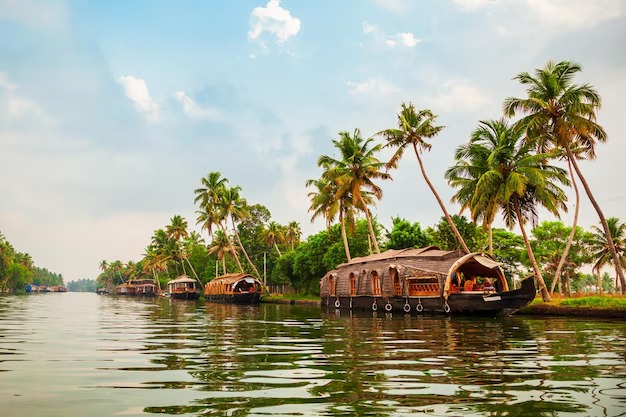
Kerala is a beautiful state; it is very hard to describe its beauty in words. It is located in southwestern India. Do not judge it...
Get a Free QuoteKerala is a beautiful state; it is very hard to describe its beauty in words. It is located in southwestern India. Do not judge it by its size on the map, but on the basis of what it offers. No other place has as many things to offer as Kerala does. Calm backwaters, sandy beaches, green tea plantations, wildlife sanctuaries, hill stations, and historic towns all of these are the things this state is known for.
Visitors have many reasons to explore Kerala, such as colonial buildings, beaches, rolling tea gardens, churches, cool mountain weather, Chinese fishing nets, rich cultural history, backwaters and houseboat journeys. From enjoying Kathakali to diving into the beauty of nature, Kerala has something for everyone.
You can also experience local festivals such as Onam and Vishu. These festivals are not just about decorations and traditional meals but also about harmony among communities and rituals. The best thing about Kerala is that it falls into the category of every destination, be it a honeymoon, a family trip, or a friendly group trip. If you are looking for a destination that is a blend of culture, beauty, and peaceful settings, Kerala is something you must consider.
November through February is generally the most comfortable period for travelling around Kerala. Rainfall is lower, the weather is pleasant, and conditions are suitable for sightseeing. This is also a popular period for backwater trips in Alleppey and Kumarakom. Beach destinations such as Kovalam and Varkala are also enjoyable at this time. Onam, Kerala's major harvest festival, usually takes place in August or September, before the winter season begins.
Temperatures rise during these months, especially in coastal and low-lying areas. The hill destinations are a different story. Munnar, Wayanad, and Thekkady tend to be more comfortable, which makes them popular choices for travellers looking to escape the heat. Travelling during these months can also cost less because it falls outside the busiest tourist season.
Kerala experiences two monsoon periods. The southwest monsoon normally arrives from June to September. The northeast monsoon affects parts of the state later in the year. The southwest monsoon leads to spells of heavy rain, which can affect houseboat trips and beach holidays. There are still reasons to visit during the rainy season. Munnar's green landscapes look especially fresh, while waterfalls in Wayanad become much fuller.
After the rains, Kerala remains green and fresh. October and November can be a useful choice for travellers who want to see the state before the busiest part of the tourist season begins. Prices may also be more reasonable than during the peak winter months.
Kerala has four international airports. Cochin International Airport (COK) near Kochi is one of the main gateways and has connections with cities such as Delhi, Mumbai, Bengaluru, and Chennai, along with several Gulf destinations. Trivandrum International Airport (TRV) serves Thiruvananthapuram and handles both domestic and international flights. Calicut International Airport (CCJ) in Kozhikode and Kannur International Airport (CNN) serve travellers heading to northern Kerala and also handle substantial traffic from the Middle East. For visitors covering central Kerala, Kochi is often the most convenient starting point.
Important stations in Kerala include Ernakulam Junction (Kochi), Thiruvananthapuram Central, Kozhikode, Thrissur, Kollam, and Kannur. Long-distance trains come and go from these stations. The Konkan Railway also links the Kerala coast with destinations towards Mumbai through Goa and Mangalore. Trains are useful for both arriving in Kerala and travelling between several destinations within the state.
NH66, which was earlier known as NH17, follows the Kerala coastline from Kasaragod towards Thiruvananthapuram. NH544 provides an important road connection between Kochi and Coimbatore. Further, it continues towards Tamil Nadu. The Kerala government transport department (KSRTC) provides bus services throughout the state.
Puttu is a popular Kerala breakfast made by steaming ground rice and grated coconut in a cylindrical mould. It is commonly served with kadala curry.
Appam is a thin rice pancake with a soft middle and slightly crisp edges. It is made using fermented rice and coconut milk.
Karimeen, also known as pearl spot, is a well-known fish. For karimeen pollichathu, the fish is coated with a mixture of spices, chilli, and tomato before being wrapped in a banana leaf. It is then cooked until the fish is tender and the banana leaf develops a slightly charred aroma. It is commonly served with rice or appam.
Sadya is a traditional vegetarian feast rather than a single dish. A full sadya can include many different preparations served together on a banana leaf. Rice, parippu curry, avial, thoran, rasam, sambar, pickles, pappad, and payasam are among the foods that may appear on the leaf.
Payasam is one of Kerala's best-known traditional desserts and comes in several forms. Depending on the recipe, it may contain rice, milk, sugar, jaggery, vermicelli, banana, or jackfruit. The ingredients are cooked slowly until the mixture becomes thick and creamy.
Honeymoon
4N/5D Rs 16,999Rs 19,999
 Honeymoon
5N/6D
Honeymoon
5N/6D Rs 14,999Rs 17,999
Tell us your dates, budget and interests and we will build a plan around you.
Kerala is a famous and top choice for tourists for its backwaters, houseboats, Ayurveda, tea plantations, spice plantations, beaches, Kathakali performances, Theyyam rituals, and the Onam festival.
An overnight houseboat stay can be a better experience than a short day cruise. The scenery changes in the early morning and evening, when the backwaters become quieter. Staying overnight also gives you time to enjoy meals on the boat and spend longer surrounded by the waterways.
For a trip covering Kochi, Alleppey, and Munnar, around 5 to 6 days can work. If you also want to include Wayanad, Thekkady, and Kovalam, around 8 to 10 days gives you more time. Seeing both the northern and southern parts of Kerala properly can take around 12 to 14 days.
November to February is generally best if you want to comfortably enjoy beaches, backwaters, and sightseeing. To make the most of hill stations, March to May is a suitable time. For Ayurveda programmes, you may also consider the monsoon period, particularly June to August.
Kerala works well for couples looking for a mix of scenery and relaxation. Alleppey's houseboats, Munnar's tea-covered hills, Kovalam's beach resorts, and Ayurveda experiences are popular with honeymooners. October to February is a commonly preferred period for a honeymoon trip.
Yes, Kerala is an ideal destination for families. Adults can enjoy wildlife experiences, hill stations, beaches, and cultural attractions, while children can also enjoy walking through the tea landscapes. Also, Kerala's beaches offer plenty of space for family outings.
Yes. Vegetarian food is an important part of Kerala's cuisine, particularly during a sadya. Many restaurants serve vegetarian meals based around rice, lentils, vegetables, and coconut. Finding vegetarian dishes is generally not difficult when travelling around the state.
Keep planning your India trip
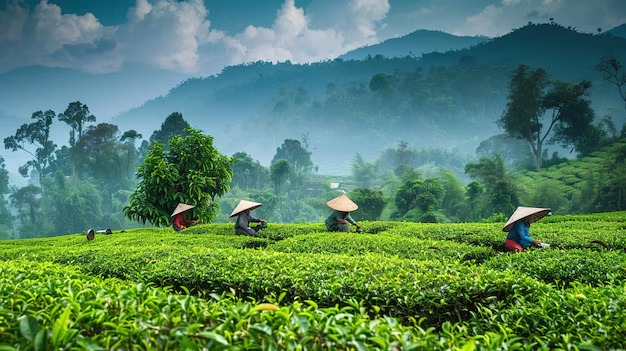
Assam is in the northeast of India, tucked between Arunachal Pradesh to the north, Nagalan...
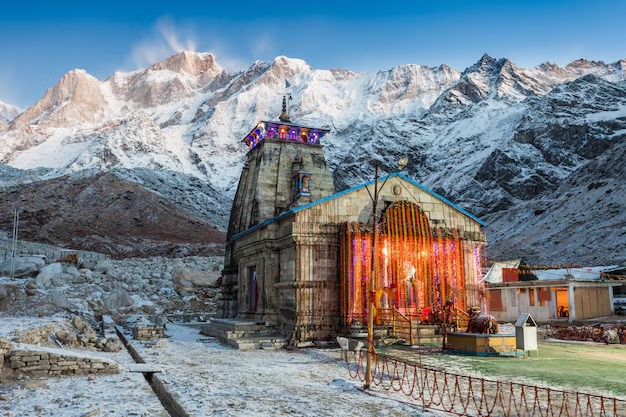 5 packages
Uttarakhand, which is also known as Devbhoomi (the Land of the Gods), is a blend of nature...
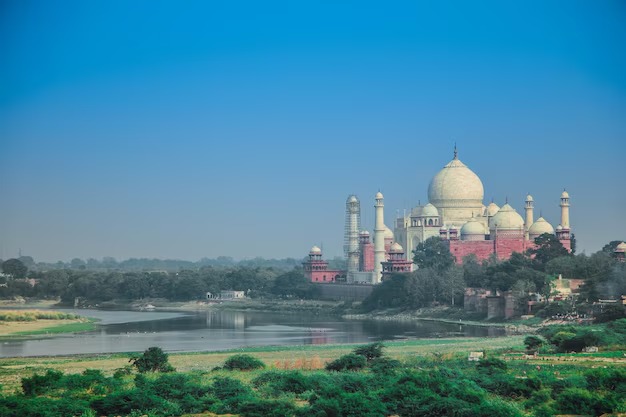
Uttar Pradesh, located in northern India, is a land where history, spirituality, and cultu...
 1 package
Gujarat is located in western India. The land that meets the Arabian Sea. Salt deserts in...
Our travel expert will contact you shortly.